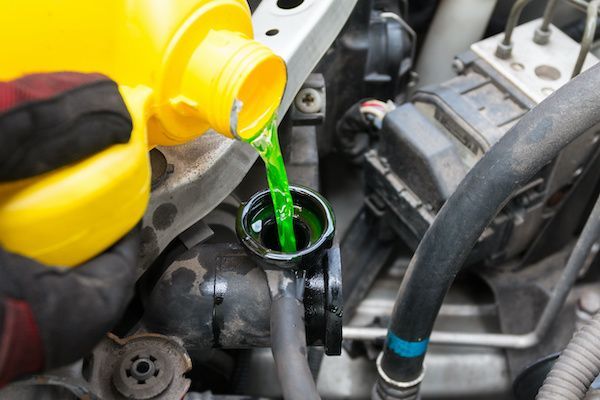
A car's radiator is immensely stressed during extreme winter temperatures because it can quickly fail, causing serious engine issues. In some circumstances, a problem with the radiator can warrant the need to replace it.
To ensure that the engine weathers the icy conditions, antifreeze is used in the radiator. Many people use antifreeze and coolant interchangeably, but there's a difference. Let's try and understand that in-depth below.
Are Antifreeze and Coolant the Same?
If you say that antifreeze is a coolant, you might be right and wrong at the same time. Well, antifreeze and coolant are similar, but there's a difference. The former is a glycol-based fluid that must be mixed with water in the ratio of 1:1 for use. It is that antifreeze/water mixture that is called coolant.
The major component in antifreeze is ethylene glycol, which ensures that the coolant doesn't freeze despite the sub-zero conditions that come with winter. It does that by lowering the freezing point of the coolant, enabling it to continue lubricating the water pump while preventing wear and tear.
Antifreeze has no expiry date. What makes it expire are the chemicals and additives that give it corrosion-resistance properties. That's why it is essential to adhere to the manufacturer's scheduled maintenance manual. With a new, clean coolant in your radiator, the motor will run at maximum performance because the antifreeze will effectively maintain optimum operating temperatures.
It is also worth noting that ethylene glycol is a toxic substance to humans and animals. Therefore, ensure you read and follow the safety precautions for usage and disposal.
How Often Should I Change My Coolant?
Many automakers recommend that you change the coolant after 30,000 and 50,000 miles. The interval for changing the coolant varies from vehicle to vehicle. For instance, Hyundai recommends that you change it after 60,000 miles initially, then 30,000 miles afterward. With Mercedes, you'll change the fluid after every 30,000 miles. However, it would be best to test the coolant after 50,000 miles to avoid stressing the engine. That's because debris, rust, and leaks might start affecting the coolant's performance.
Do you think your vehicle needs coolant inspections and tests? Bring your car to our auto repair and care center, and we'll professionally assess the coolant and flush it if necessary.