New Hampshire roads can be hard on a vehicle in every season. Winter brings road salt, freezing temperatures, snow, and deep potholes. Spring adds frost heaves and rough pavement, while summer heat and long highway drives place their own demands on tires, fluids, brakes, and the cooling system.
Preventive maintenance helps the vehicle deal with those conditions before a worn part turns into a roadside problem. It also gives you a chance to find small leaks, loose suspension components, weak batteries, and uneven tire wear while the repairs are still easier to plan.
Tire Care Improves Grip And Protects The Suspension
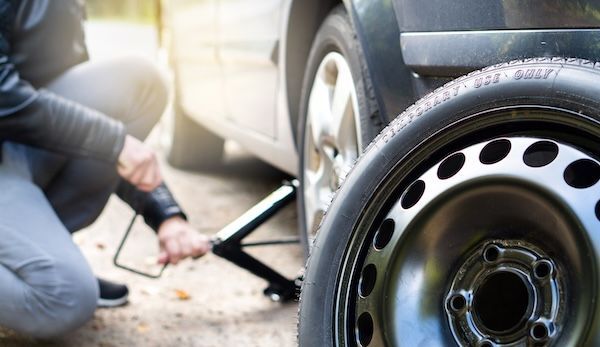
Tires are the only parts of the vehicle touching the road, so their condition affects braking, steering, and ride quality. Low pressure can make the sidewalls flex too much, while worn tread reduces grip in rain, snow, and slush. Uneven tread may also point toward an alignment or suspension concern.
Potholes can damage tires internally even when the outside looks acceptable. A bubble in the sidewall, vibration at speed, or sudden pressure loss can appear after a hard impact. Checking pressure, tread depth, tire age, and inner-edge wear helps catch damage before a longer drive.
Wheel Alignment Helps The Car Track Straight
A hard pothole strike or repeated driving over broken pavement can push alignment angles out of specification. The steering wheel may sit slightly off-center, the vehicle may pull, or the tires may begin wearing faster on one edge.
Alignment should be checked when those symptoms appear, but the steering and suspension need to be inspected first. Worn tie rods, control arm bushings, ball joints, or wheel bearings can prevent the settings from staying correct. Adjusting the alignment without repairing loose parts often leads to the same tire wear returning.
Suspension Parts Take The Full Force Of Rough Roads
Shocks, struts, springs, bushings, and joints control how the wheels move over bumps. When those parts wear, the vehicle can bounce, clunk, lean, or feel unsettled on uneven pavement. The tires may also lose firm contact with the road, which can affect braking and steering.
Road impacts can bend components or tear rubber bushings without causing an immediate breakdown. A regular inspection can reveal leaking struts, cracked springs, loose joints, and damaged mounts before the vehicle becomes harder to control. Catching one worn part early may also protect the tires and nearby suspension components.
Brake Maintenance Is Important In Every Season
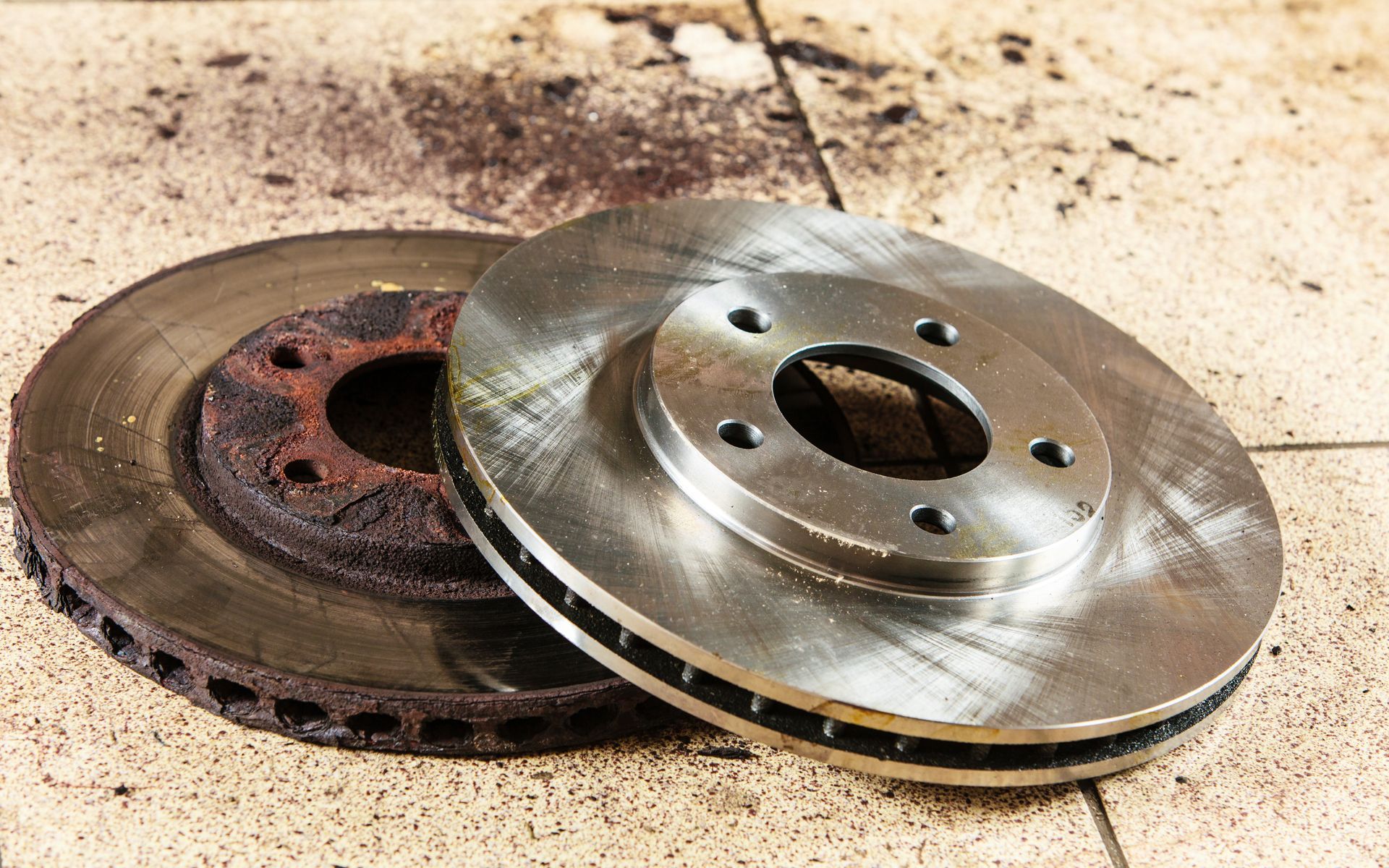
Winter moisture, salt, and road debris can contribute to corrosion around brake hardware, caliper brackets, lines, and parking brake components. A caliper that does not release fully can overheat the brakes and make the vehicle pull or use more fuel.
Brake service should include more than measuring pad thickness. The following areas deserve attention:
- Rotor condition and rust buildup
- Caliper slide movement
- Brake hose and line condition
- Parking brake operation
- Brake fluid age and moisture content
- Uneven wear between the inner and outer pads
A complete check helps identify sticking parts and corrosion before performance changes become noticeable.
Road Salt Can Damage More Than The Body
Salt helps keep winter roads usable, but it is hard on metal. It can collect around brake lines, fuel lines, subframes, exhaust parts, suspension mounting points, and electrical connections. Areas that trap moisture may continue corroding long after the roads look dry.
Washing the underside of the vehicle during and after winter can reduce buildup, but cleaning does not reverse corrosion that has already started. During regular maintenance, technicians can look for scaling, weakened brackets, damaged coatings, and lines that need closer attention.
Cold Weather Exposes Weak Batteries
Low temperatures slow the chemical reaction inside a battery while the engine requires more effort to crank. A battery that seemed fine during warmer weather may struggle on the first very cold morning. Slow cranking, dim lights, or repeated jump-starts are signs that testing should not wait.
Battery service should include checking the terminals, cables, charging output, and resting voltage. Corrosion or a loose connection can create the same starting problems as a weak battery. Testing the full starting and charging system helps avoid replacing the wrong component.
Fluids Protect The Vehicle Through Temperature Changes
Engine oil, coolant, transmission fluid, brake fluid, and differential fluid all deal with heat and cold. Old oil may flow more slowly during winter starts, while weak coolant may not provide the freeze protection or corrosion control the engine needs.
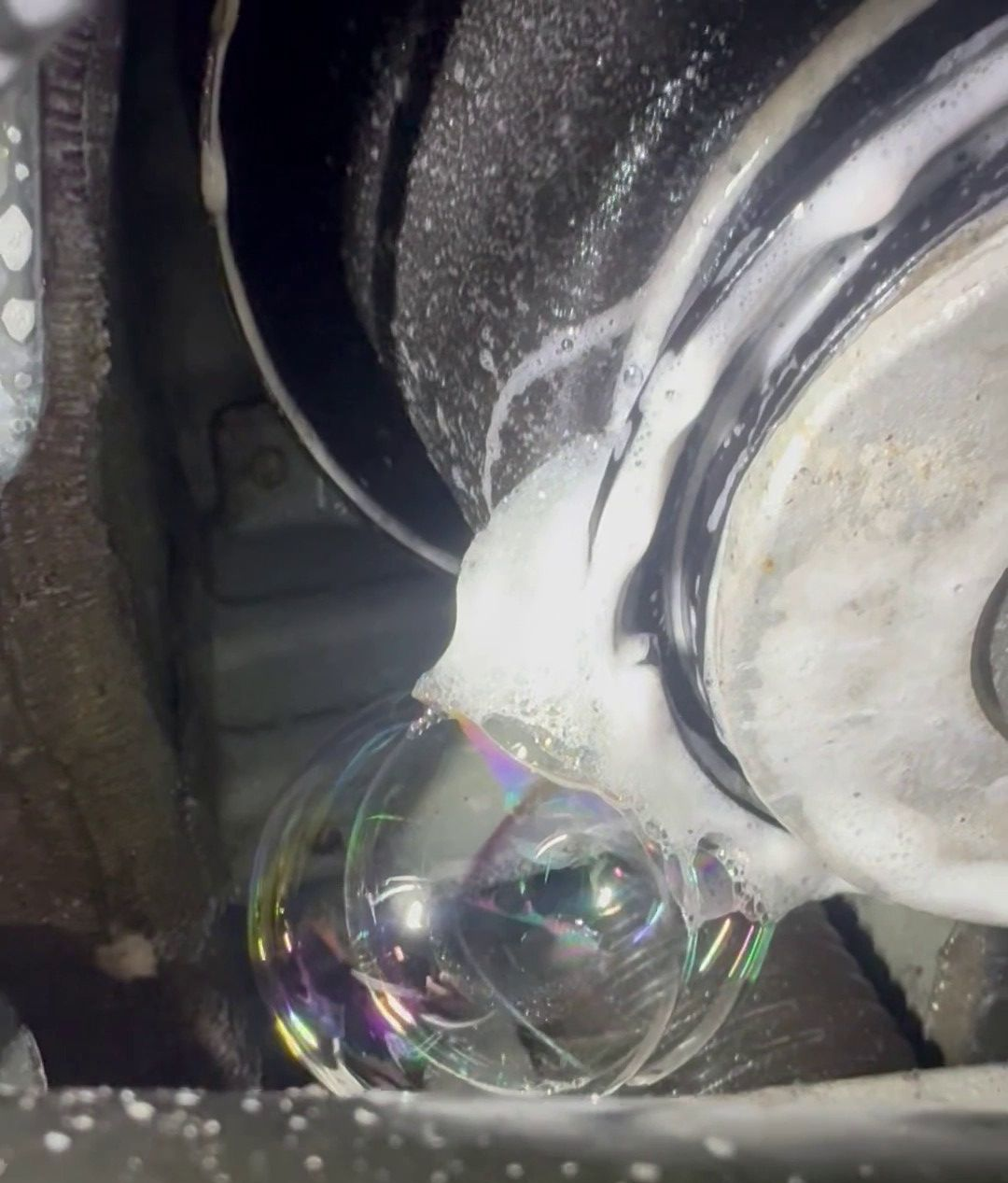
Fluid levels should be checked for changes that could point toward leaks. A low reservoir is not something to keep topping off without finding the cause. Using the correct fluid specification is especially important because mixing incompatible coolants or transmission fluids can create new problems.
A Seasonal Maintenance Plan Makes Repairs Easier To Manage
Preventive care works best when it follows how the vehicle is actually used. A car driven daily on rough local roads may need tire, suspension, and alignment checks more often than one that spends most of its time on smoother highways.
A useful seasonal plan includes:
- Tire pressure and tread checks before winter
- Battery and charging tests before freezing weather
- Cooling system service before summer travel
- Brake and suspension checks after pothole season
- Underbody and fluid leak checks after winter
- Wiper, washer, and lighting checks throughout the year
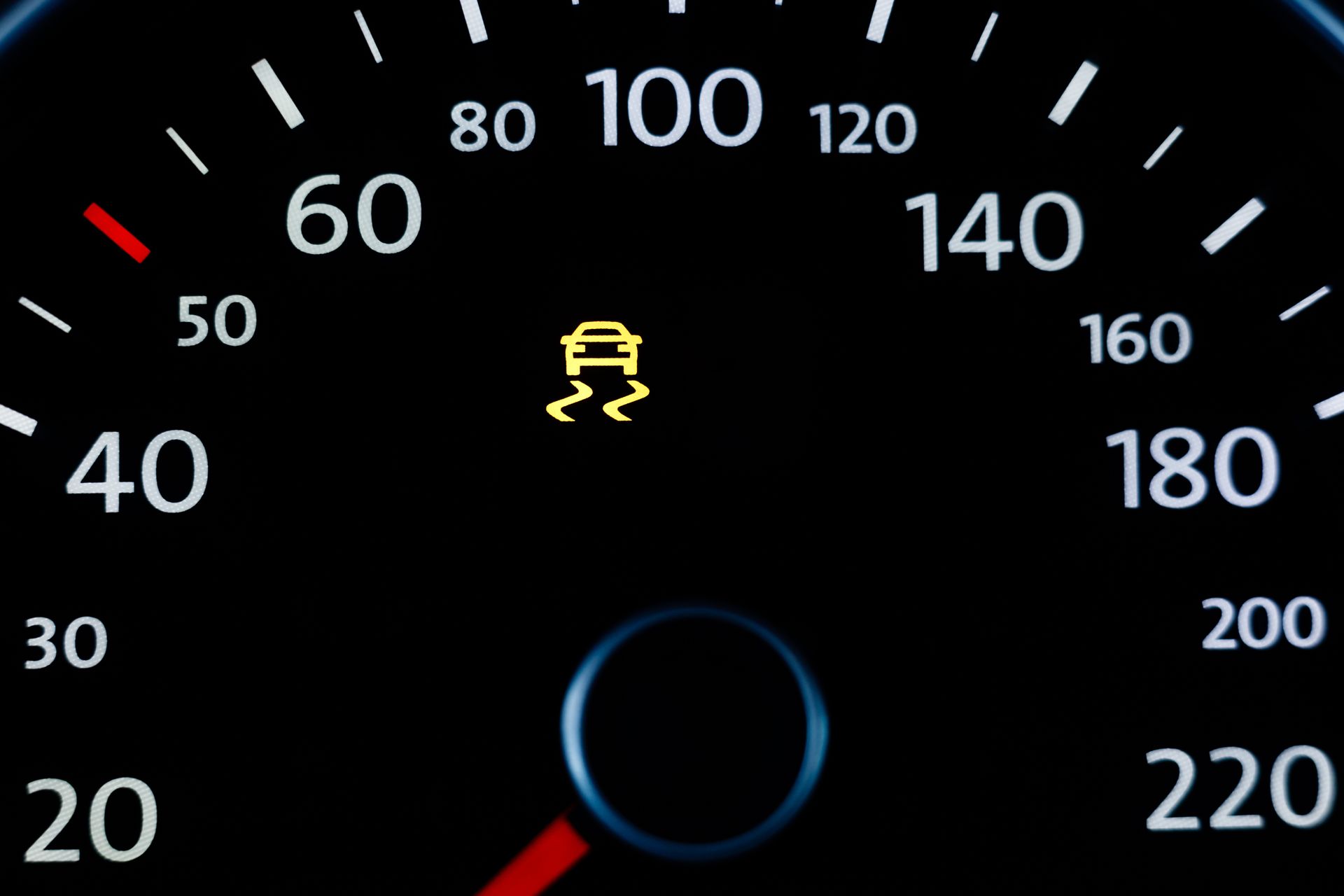
Planning these checks ahead of time is easier than reacting after a warning light, vibration, or breakdown appears.
Get Preventive Auto Maintenance In Concord, NH, With Accomplished Auto
Accomplished Auto in Concord, NH, can inspect your tires, brakes, suspension, battery, fluids, alignment, and underbody for wear caused by New Hampshire driving conditions.