Dashboard lights have a way of showing up at the worst time. You are halfway to work, pulling into the grocery store, or getting ready for a weekend drive, and suddenly a symbol appears that you have not thought about in months. Some lights look serious. Others look vague enough to ignore.
That is where confusion starts. Modern cars use dashboard warnings to alert drivers to everything from a loose gas cap to low oil pressure. The problem is that the light itself rarely explains how urgent the issue is. Knowing what these warnings usually mean can help you respond calmly, without brushing off something important.
1. Check Engine Light
The check engine light might be the most misunderstood warning on the dashboard. Many drivers assume it means the engine is about to fail. Others assume it is harmless if the car still drives fine. The truth is usually somewhere in between.
A steady check engine light can point to issues with the fuel mixture, emissions faults, oxygen sensor readings, ignition problems, evaporative leaks, or many other concerns. The car may still feel normal because the computer is adjusting to the problem for now. That does not mean the issue should sit for weeks.
A flashing check engine light is different. That can indicate an active misfire, which may damage the catalytic converter if the vehicle continues to be driven. If the light is flashing and the engine feels rough, it is better to stop driving as soon as it is safe and get the car checked.
2. Battery Light
The battery light sounds like it should mean the battery is bad. Sometimes the battery is part of the problem, but this light usually points to the charging system. That can include the alternator, belt, wiring, terminals, or related electrical connections.
When the battery light comes on while driving, the vehicle may be running mostly on battery power. Once that stored power drops, electrical systems can begin acting strangely. Lights may dim, warning messages may appear, and the engine can eventually stall.
That is why this warning deserves quick attention. Replacing the battery without testing the alternator and charging system can leave you with the same problem again. A proper inspection checks how the system is charging and whether the battery is still able to hold a load.
3. Oil Pressure Light
The oil pressure light is easy to confuse with an oil change reminder, but they are not the same thing. An oil change reminder is about service timing. An oil pressure light can indicate the engine isn't getting the oil pressure it needs right now.
That is a serious warning. Engine oil must flow through small passages to protect bearings, timing parts, camshafts, and other moving surfaces. If pressure drops too low, engine damage can happen fast. The car might still sound normal for a short time, which makes the warning even easier to underestimate.
If the oil pressure light comes on, pull over safely and shut the engine off. The cause could be low oil, a leak, a failing oil pump, sludge, sensor trouble, or another internal issue. It needs to be checked before driving.
4. ABS Light
Many drivers see the ABS light and think their brakes have failed. In many cases, the regular brakes still work. The concern is that the anti-lock braking system may not help during a hard stop or on slippery roads.
ABS helps keep the wheels from locking up during emergency braking. If the ABS has a fault, the vehicle may still stop during normal driving, but it may not give you the same steering control during panic braking. Rain, snow, gravel, and sudden traffic stops can make that difference more noticeable.
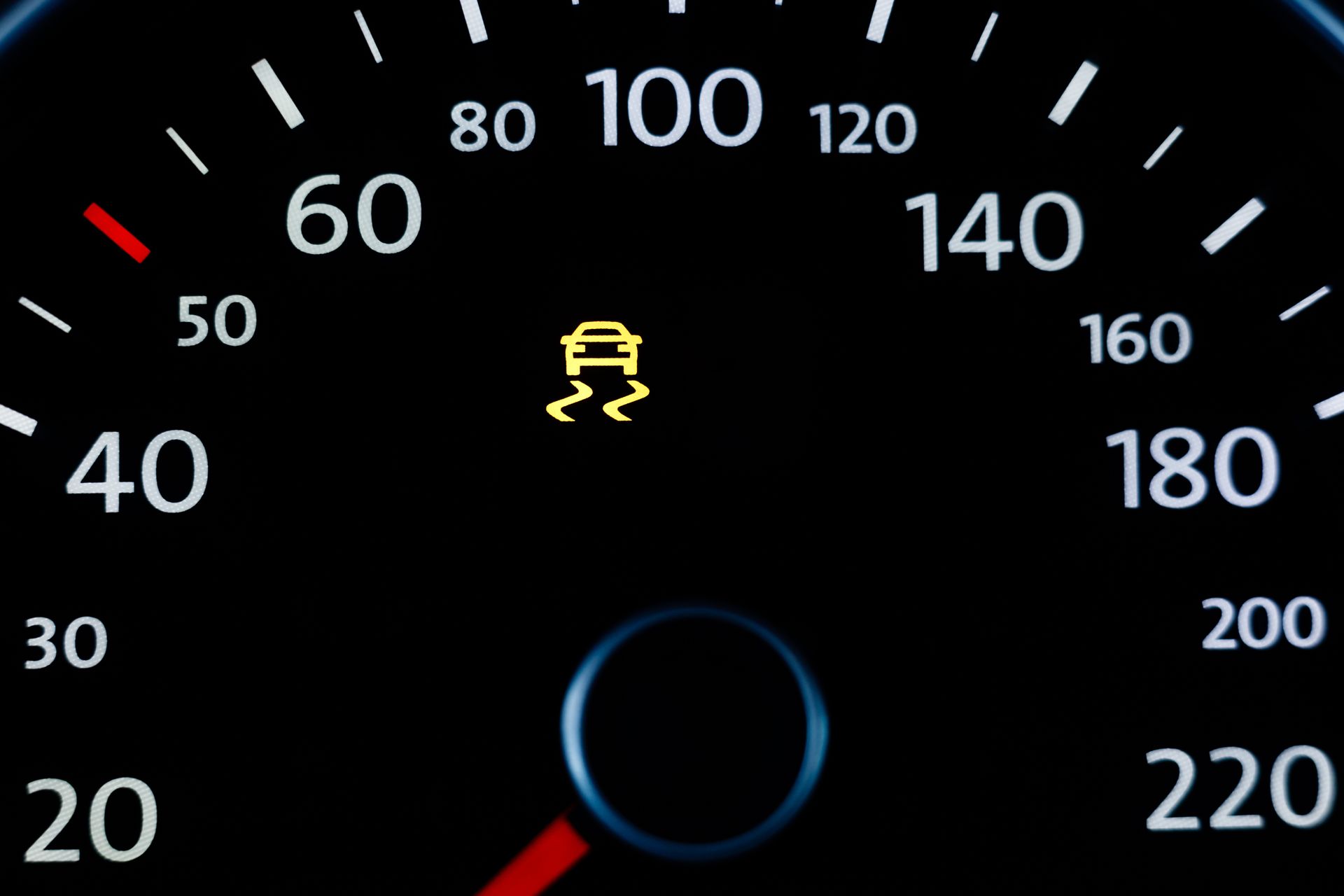
Common causes include wheel speed sensor problems, damaged wiring, low voltage, tone ring issues, wheel bearing concerns, or ABS module faults. Since ABS works with traction and stability systems on many vehicles, one fault can turn on several lights at once.
5. Tire Pressure Warning Light
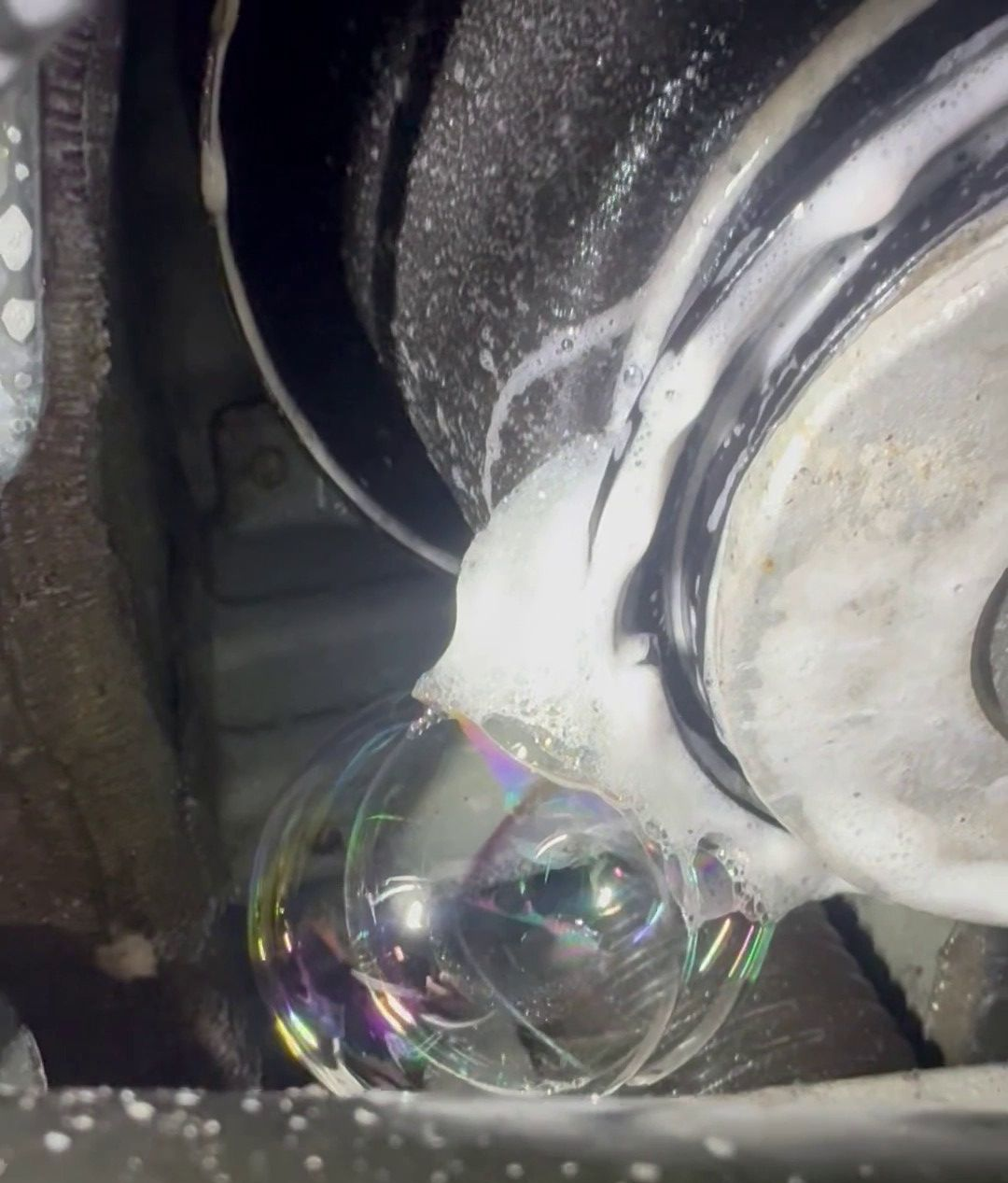
The tire pressure warning light is often treated like a minor annoyance. A driver fills the tire, the light goes away, and the issue feels handled. Sometimes that is all it needs. Other times, the tire is losing air because of a nail, valve stem leak, cracked wheel, or bead leak.
Low tire pressure affects more than tire life. It can reduce traction, increase heat, hurt fuel economy, and change how the vehicle stops or turns. A tire that keeps losing air should be inspected, not filled over and over.
Seasonal temperature changes can also trigger the light. In colder weather, tire pressure drops. Still, if the light returns after the tires are properly adjusted, the tire should be checked for damage. Regular maintenance helps catch tread wear, pressure loss, and alignment problems before they shorten tire life.
Why Dashboard Warnings Need A Real Diagnostic
A dashboard light is a warning, not a full diagnosis. Even when a scan tool returns a code, it only points to a system or condition. It does not always prove which part failed.
That is why testing matters. A sensor code can be caused by wiring. A battery light can be caused by an alternator. An ABS light can be caused by a wheel bearing. A check engine light can come from a leak, misfire, sensor problem, or fuel issue. A careful diagnostic saves time by confirming the cause before parts are replaced.
Get Dashboard Warning Light Diagnostics In Concord, NH, With Accomplished Auto
If your dashboard warning light is on, Accomplished Auto in Concord, NH, can check the codes, inspect the affected system, and explain what the warning really means.