If you’ve spent any time looking at your car lately, you’ve probably noticed that your brake rotors are magnets for a specific kind of orange-brown funk. It’s a bit of a localized irony in the car world: the parts that need to be the most reliable are often the ones that look the messiest.
At our shop, we get a lot of questions about whether you can, or should, clean that rust off yourself. Sometimes it’s a matter of aesthetics, and sometimes it’s about performance. Whatever your motivation, we want to make sure you’re approaching those brakes with the right mindset and the right tools.
Why Does This Keep Happening?
Before we get into the how, let’s talk about the why. Your brake rotors are essentially heavy discs of cast iron. While iron is fantastic for absorbing the massive amounts of heat generated when you stomp on the pedal, it’s basically nature’s sponge for oxidation.
Because the brake pads need a clean, bare-metal surface to grab onto, rotors aren't painted or coated on the friction surface. This means the moment they get wet, whether from a summer thunderstorm, a car wash, or just a humid night, the chemical reaction begins. Within hours, a thin layer of iron oxide forms. It’s a never-ending battle between the elements and your metallurgy.
Can You Actually Clean Them?
The short answer is yes, but the method depends on what kind of rust we’re talking about. There are two main areas where rust builds up, and they require very different approaches.
The Friction Surface (Where the pads touch)
For the part of the rotor that actually stops the car, the cleaning is usually done for you. The simplest way to clean light surface rust is simply to drive the vehicle. Every time you apply the brakes, the pads act like a giant eraser, scrubbing the rotor clean.
If the car has been sitting for a month and the rust is thick, you might hear an odd sound for the first few miles. Usually, this clears up on its own. However, if the car has been sitting for a year, that rust might have turned into pitting, which is a deeper structural issue that cleaning won't fix.
The Hub and Hat (The non-contact areas)
This is where the real cleaning happens. The center part of the rotor (the hat) and the outer edges don't get touched by the pads, so they just get rustier and rustier over time. This is purely an aesthetic issue, but if you’re a car enthusiast, it’s a frustrating one.
Steps for a DIY Deep Clean
If you’re feeling ambitious this weekend and want to brighten up those wheels, here is how we recommend handling it safely.
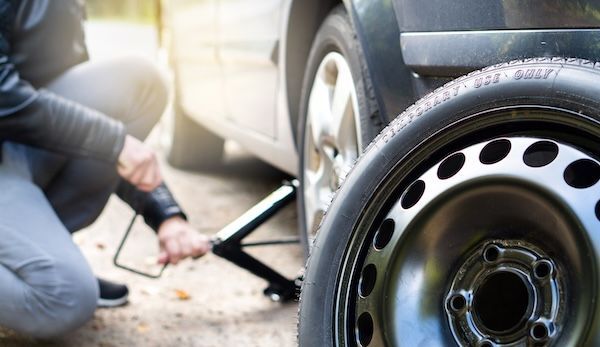
- Remove the Wheel: You can’t do a thorough job with the wheel on. Use a jack and jack stands (never rely on just a jack) to get the car up and the wheels off.
- Use Brake Cleaner: Grab a can of dedicated brake cleaner. This is specifically formulated to dissolve oil, grease, and loose dust without leaving a slippery residue behind. Spray the rotor down liberally to knock off the loose grime.
- A Bit of Friction: For the hat of the rotor, you can use a stiff wire brush or a bit of steel wool. Scrub away the flaky orange bits until you see the dull grey of the iron underneath.
- The Soap and Water Myth: Avoid using soapy water or household degreasers. These can leave films that interfere with your braking performance or cause the pads to squeal. Stick to the specialized products.
- Consider a High-Heat Coating: If you want to stop the rust from coming back on the non-contact parts, you can apply a specialized high-heat rotor paint or clear coat. Just be absolutely certain you do not get any paint on the friction surface where the pads touch.
When Cleaning Isn't Enough
We’re all for a good DIY project, but as mechanics, we have to draw a line in the sand. Cleaning is great for looks, but it won't fix a mechanical failure.
If you notice that the rust has created deep grooves in the metal, no amount of scrubbing will make that rotor safe again. Similarly, if your car shakes when you brake, the rust may have caused uneven thickness. In these cases, the rotors either need to be resurfaced on a professional brake lathe or replaced entirely.
Let Accomplished Auto Give You a Hand
Brakes are the one system on your car where settling isn't an option. If you’ve scrubbed away the orange dust but you're still hearing weird noises, or if the pedal feels a little mushy, it’s time to let Accomplished Auto in Concord, NH, take a look.
We can perform a full brake inspection to ensure that your calipers are sliding freely and your rotors are within safe thickness margins. We love a clean-looking car as much as you do, but we love a safe-stopping car even more.