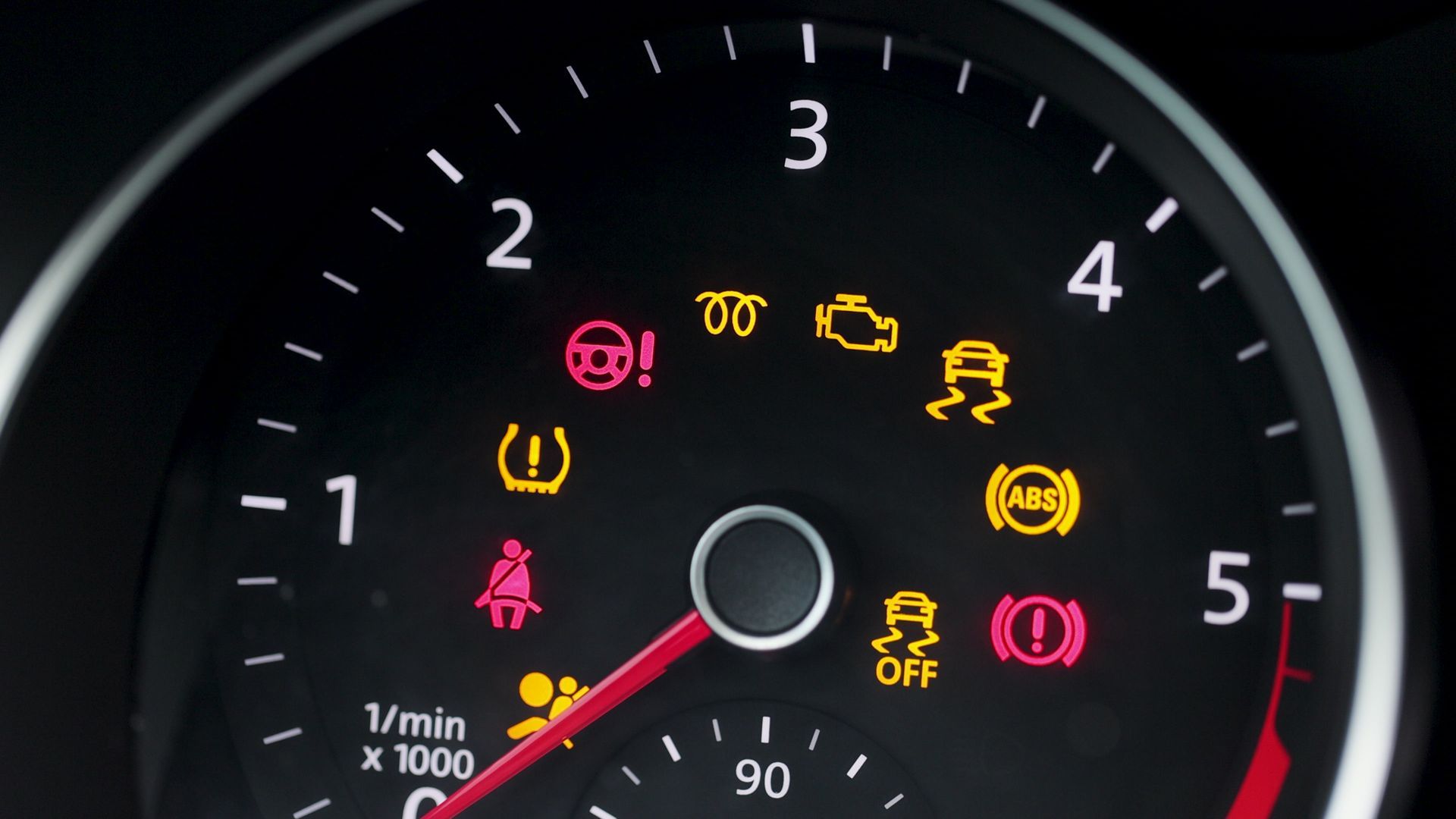
Seeing the ABS light and traction control light together can feel like the car is suddenly questioning its own grip. The frustrating part is that the brakes often still work normally, so you are left wondering whether it is safe or if something is about to get worse.
The reason those two lights pair up is usually simpler than it looks.
Why These Two Lights Often Show Up Together
ABS and traction control share the same building blocks. Both systems rely on knowing which wheel is rotating and how fast, then they make decisions based on that data. If the car loses confidence in the wheel speed information, it may turn both systems off and switch the lights on at the same time.
That does not always mean you lost normal braking. It usually means you lost the extra safety features that help during hard stops or slippery conditions. The car is basically saying it cannot guarantee those features will behave correctly right now.
How ABS And Traction Control Share The Same Sensors
Wheel speed sensors are the main shared input. ABS uses them to prevent wheel lockup during braking. Traction control uses them to detect wheel slip during acceleration, then reduce power or apply braking to a slipping wheel.
When a sensor signal drops out, gets noisy, or disagrees with the other wheels, the system may disable itself. You might not feel anything during calm driving, but on wet roads or during a panic stop, you would miss those features. That is why the lights matter even when the car feels fine.
Wheel Speed Sensor Issues That Trigger Both Lights
A wheel speed sensor can fail outright, but more often it is a wiring or connection problem. Road spray, corrosion, and vibration can loosen connectors. A wire can rub through near the suspension and only act up when you turn or hit bumps.
Sometimes the sensor is fine, and the tone ring is the issue. Rust buildup, a cracked ring, or debris can distort the signal. This is common after harsh weather or if the vehicle has seen a lot of wet, gritty roads, because that environment is tough on anything mounted near the wheels.
Bearing, Tire, And Alignment Factors That Can Confuse The System
A worn wheel bearing can create a subtle wobble that changes the sensor gap. That can lead to a flaky speed reading that comes and goes. It is also why some drivers report the lights appear at highway speed, then disappear after a restart.
Tire size mismatch can cause problems, too. If one tire is significantly different in diameter from the others, the system can interpret the speed difference as slip. It does not take much, especially if one tire is newer and the others are worn down. Keeping tires matched and staying on top of regular maintenance helps avoid this kind of confusion.
Low Voltage And Brake System Inputs That Get Overlooked
Low voltage can make modules behave oddly, especially during starts or when the battery is weak. If the battery is struggling, you might see multiple warning lights at once, including ABS and traction control, even if the root problem is an electrical supply.
Brake fluid level is another simple trigger. If fluid is low enough to trigger a warning, the system may disable certain functions. Low fluid does not automatically mean a major failure, but it does mean something needs to be checked, whether it is pad wear, a leak, or a sensor issue at the reservoir.
What To Do Right Now And What To Avoid
First, pay attention to how the brakes feel. If the pedal feels normal and the car stops normally, you can usually drive gently to a shop. Give yourself extra following distance and avoid hard braking tests, since ABS may be disabled.
If the brake pedal feels soft, the car pulls hard when braking, or you see a red brake warning light, stop treating it as a casual warning. Those signs suggest a braking issue that should be addressed before driving further. If the lights came on right after tire work or a pothole hit, mention that detail, because it often shortens the troubleshooting time.
How We Confirm The Real Cause
The fastest path is reading the stored fault information and checking live wheel speed data while the vehicle is driven. That quickly shows whether one wheel signal is dropping out or reporting a different speed than the others. From there, we inspect the sensor, wiring, connector fit, and the tone ring area for damage or corrosion.
We also look at the basics that can create false triggers, like mismatched tires and low-voltage battery issues in the past. Once the source is confirmed, the fix is usually straightforward, and the goal is to restore the safety systems without replacing parts that are still fine.
Get ABS Repair In Concord, NH, With Accomplished Auto
Accomplished Auto in Concord, NH, can pinpoint why your ABS and traction control lights came on and get those systems working correctly again.
Schedule an inspection and drive with more confidence in the next rainstorm.