Your next oil change should follow the schedule for your engine and your driving habits. A mileage interval borrowed from your last car leaves too much to chance. The right oil, filter, and service timing work together to protect the engine.
Even two cars parked on the same Concord street can need different oil change routines. One makes short school runs and errands; the other spends an hour on the highway most days. Their oil sees different temperatures and operating conditions. Understanding that difference makes the next appointment easier to plan.
Finding the Right Oil Change Interval
Look up the maintenance schedule for your exact model year and engine. Find the oil change interval, any time limit, and the section covering demanding driving conditions. The manual also explains whether to follow an oil life monitor and when that reminder must be reset.
Look closely at any instruction that says 'whichever comes first.' Suppose a vehicle's schedule calls for service every five thousand miles or six months. Driving only two thousand miles during those six months still reaches the time limit. That is an example, so use your own engine's schedule when choosing the next date.
Keep the last service date and mileage together. A receipt showing only a total price leaves you without the information needed to plan the next visit.
Why Short Trips Affect Oil Change Timing
An engine produces moisture and some fuel contamination during normal operation. Sufficient warm-up helps remove some of that contamination. Repeated brief trips end before the oil has spent much time at its normal operating temperature.
A week of school drop-offs, store stops, and brief errands gives the engine plenty of starts, but little sustained warm running. Check the manual's severe-service or demanding-use instructions for that pattern. Low annual mileage can still come with frequent oil change needs when most trips last only a few minutes.
Frequent idling, towing, dusty conditions, and extreme temperatures are other reasons to check that section of the manual. The engine's workload often tells you more than the number of miles alone.
Oil Change Intervals With Synthetic Oil
Synthetic oil offers useful resistance to temperature extremes and chemical breakdown. Many engines require it or require performance standards most easily met by particular synthetic products. Using the correct product is the foundation of a good oil change.
Keep the manufacturer's oil change interval even when you use synthetic oil. An extended-use claim on the bottle describes the product; your service schedule accounts for the engine using it. The correct interval also depends on any severe-service instructions that apply to the way you drive.
Also check more than viscosity. A grade like 0W-20 describes key flow characteristics, while industry standards and manufacturer approvals define other performance requirements. Two oils with the same viscosity aren't automatically interchangeable for every engine.
How to Use an Oil Life Reminder
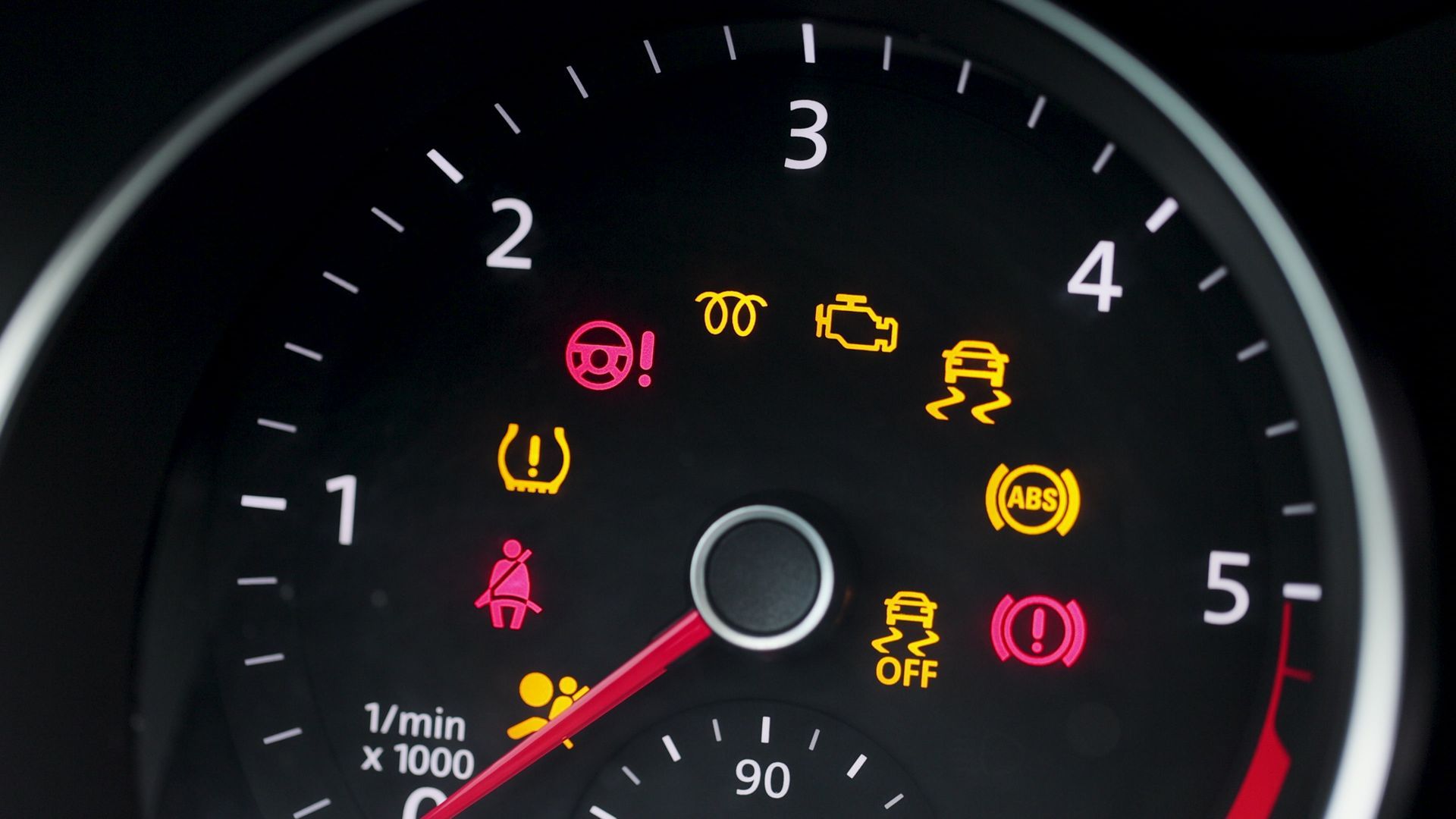
Many oil life monitors estimate service needs using operating information such as temperature, running time, and driving conditions. The display gives you a useful way to plan service, especially when your driving changes from one month to the next.
It still belongs alongside the manual's instructions and your maintenance record. Some vehicles display a simple distance or time reminder; others use a more detailed calculation. Knowing which system your car has helps you interpret the message correctly.
Oil level is a separate check. A vehicle can lose or consume oil while the service display still shows plenty of oil life remaining. Check the level between changes using the method in the manual, and investigate repeated top-offs instead of waiting for the next reminder.
What a Complete Oil Change Includes
Replacing the oil filter helps remove collected debris and gives the new oil a serviceable filtration system. Also check the drain plug and sealing arrangement, then fill to the correct level and check for leaks.
Keep the following information on your oil change record:
- The service date and vehicle mileage
- The oil viscosity used
- The required oil performance specification
- The replacement oil filter
- The next service mileage or time limit
- Any leaks, low levels, or concerns found during service
A complete record saves you from reconstructing the last visit months later. It also gives the technician a clear oil and filter history if the engine develops a leak or begins needing frequent top-offs. Keep it with the rest of the vehicle's maintenance paperwork.
Engine Oil Warning Signs to Act On
An oil pressure warning while the engine is running needs a safe stop and engine shutdown. It's different from an ordinary maintenance reminder, and continued driving with inadequate oil pressure risks severe damage.
Mention new knocking, smoke, a large leak, or repeated top-offs when booking. Those symptoms need their own checks alongside the oil change. Fresh oil restores the lubricant's condition, while a damaged seal or worn component needs a repair that addresses the source of the problem.
Dark oil by itself is a poor guide to remaining service life. Oil changes color as it does its job, and some engines darken it quickly. Reliable starting points are the right service schedule, an accurate level check, and any unusual changes you notice.
Keeping Track of Oil Change Service
Use one place for your service history, whether that's a folder, a phone note, or a maintenance app. Add the date and mileage after each visit and set a reminder before the next deadline. Planning ahead gives you time to book without stretching the interval.
Oil Change Service at Accomplished Auto
Accomplished Auto in Concord, NH, can help you plan oil change service around your engine's requirements and your daily driving. Bring your last service record and mention any oil you've added between visits. We'll review the schedule and explain what should be checked at the same time.
Book your next oil change with Accomplished Auto before you reach the mileage or time limit.