
The car starts fine after work but takes several extra turns of the engine first thing in the morning. Cold weather makes you suspect the battery, yet the spark plugs haven't been changed in years. Could worn plugs be part of the problem? Yes, especially on gasoline engines with aging ignition components. But the sound you hear during the starting attempt helps separate weak ignition from a battery or starter problem.
The first distinction is between an engine that turns slowly and one that turns normally but takes too long to fire.
How Spark Plugs Start Combustion in a Gasoline Engine
A gasoline engine uses spark plugs to ignite the compressed air-fuel mixture inside each cylinder.
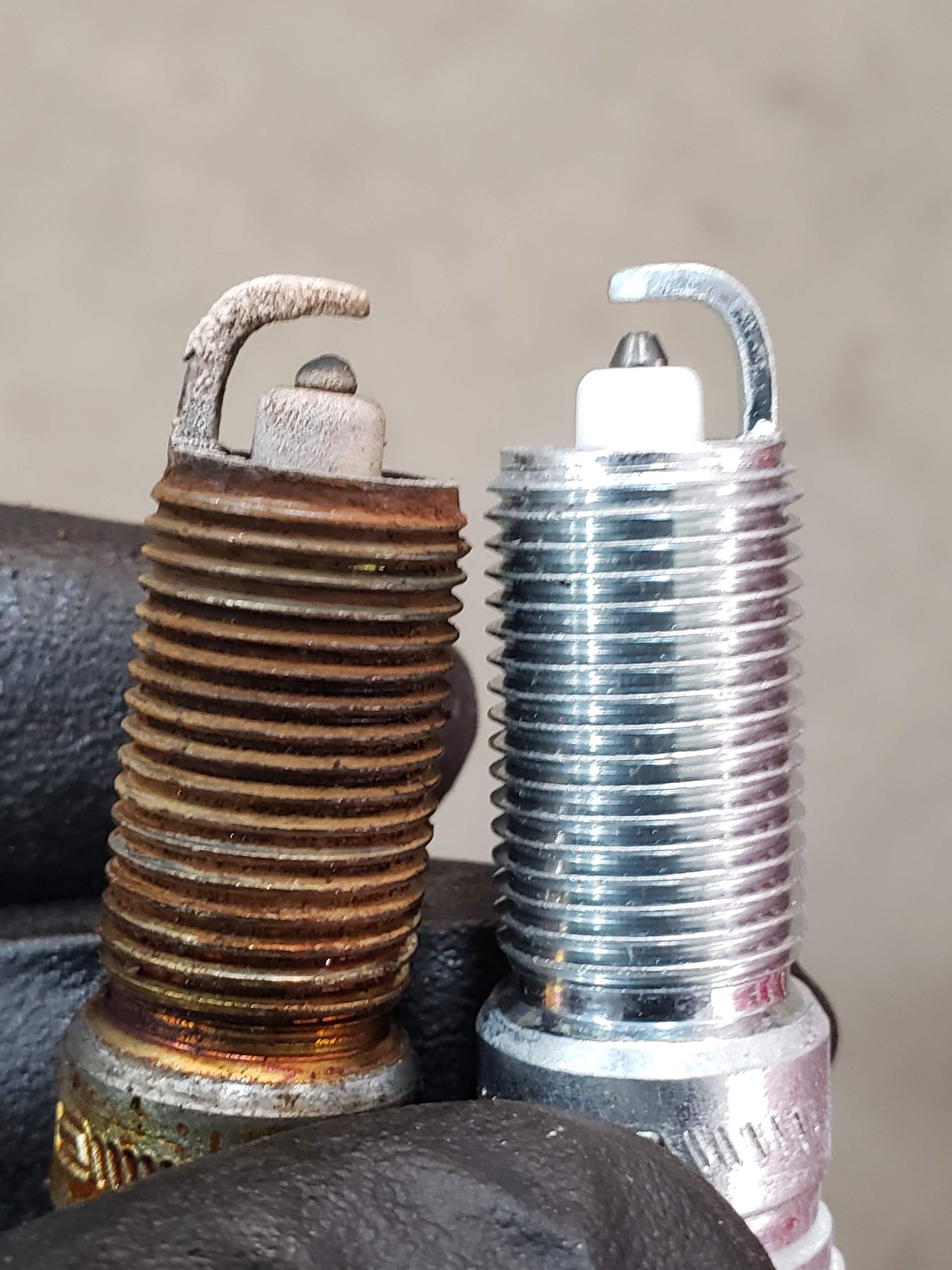
The ignition coils supply high voltage, and a spark jumps across the plug's electrodes at the right moment. The engine needs reliable ignition during every starting event, even before it settles into a smooth idle. Over time, the electrodes wear, and deposits build on some plugs. As the gap widens, the ignition system needs more voltage to produce a reliable spark. A worn plug that fires under light load often misfires during a cold start or heavier engine load. The result is often extended cranking, a brief rough idle, or misfiring after startup.
Why Cold Mornings Reveal Weak Spark Plugs
Cold starts are demanding for several reasons.
Fuel vaporization changes with temperature, the engine needs more effort to turn, and battery performance declines in cold conditions. Ignition components that are already marginal have less room for error. In Concord, repeated freezing mornings make the first startup a familiar test of the whole vehicle. If the engine cranks at a normal speed but catches unevenly, worn spark plugs or ignition coils deserve inspection. A weak battery typically produces slower cranking or clicking. Those patterns are not interchangeable, and replacing plugs won't restore voltage lost through corroded battery terminals.
Spark Plug Wear, Deposits, and Incorrect Gap
Spark plugs wear according to their design, fuel quality, engine condition, and service history. Some factory plugs use long-life electrode materials, but they still have replacement intervals. Oil contamination, unusual combustion deposits, or an incorrect heat range also affects performance.
A plug's appearance sometimes reveals engine conditions beyond ordinary age. Heavy oil deposits point toward an oil-control problem. White deposits or unusual erosion call for further investigation. New plugs sometimes improve starting, but they don't repair the underlying fault that damaged the originals. The correct plug type, gap specification, and tightening procedure are essential during replacement. We look at the plug condition and service history before recommending a new set.
Ignition Coil Problems That Resemble Worn Spark Plugs
Modern engines usually use individual ignition coils or another electronically controlled ignition arrangement. A weak or damaged coil can produce a misfire only during cold startup, when moisture is present, or under load. Yesterday's start was normal. Is the spark plug worn, or is the ignition coil struggling? Cracked coil boots allow the spark to leak to ground instead of crossing the plug gap.
Even with overdue plugs, we check the coils and nearby wiring before ordering parts. A misfire code naming one cylinder indicates where combustion is failing, not which ignition component needs replacement. Swapping or testing components according to the vehicle's procedure helps confirm the source without turning the job into a complete replacement of every coil.
Hard Starting Symptoms That Point Beyond the Spark Plugs
Listen to the engine's behavior before it fires. These clues narrow the next tests:
- Normal cranking with several delayed attempts to fire
- Rough running for the first few seconds
- Misfire shaking after cold startup
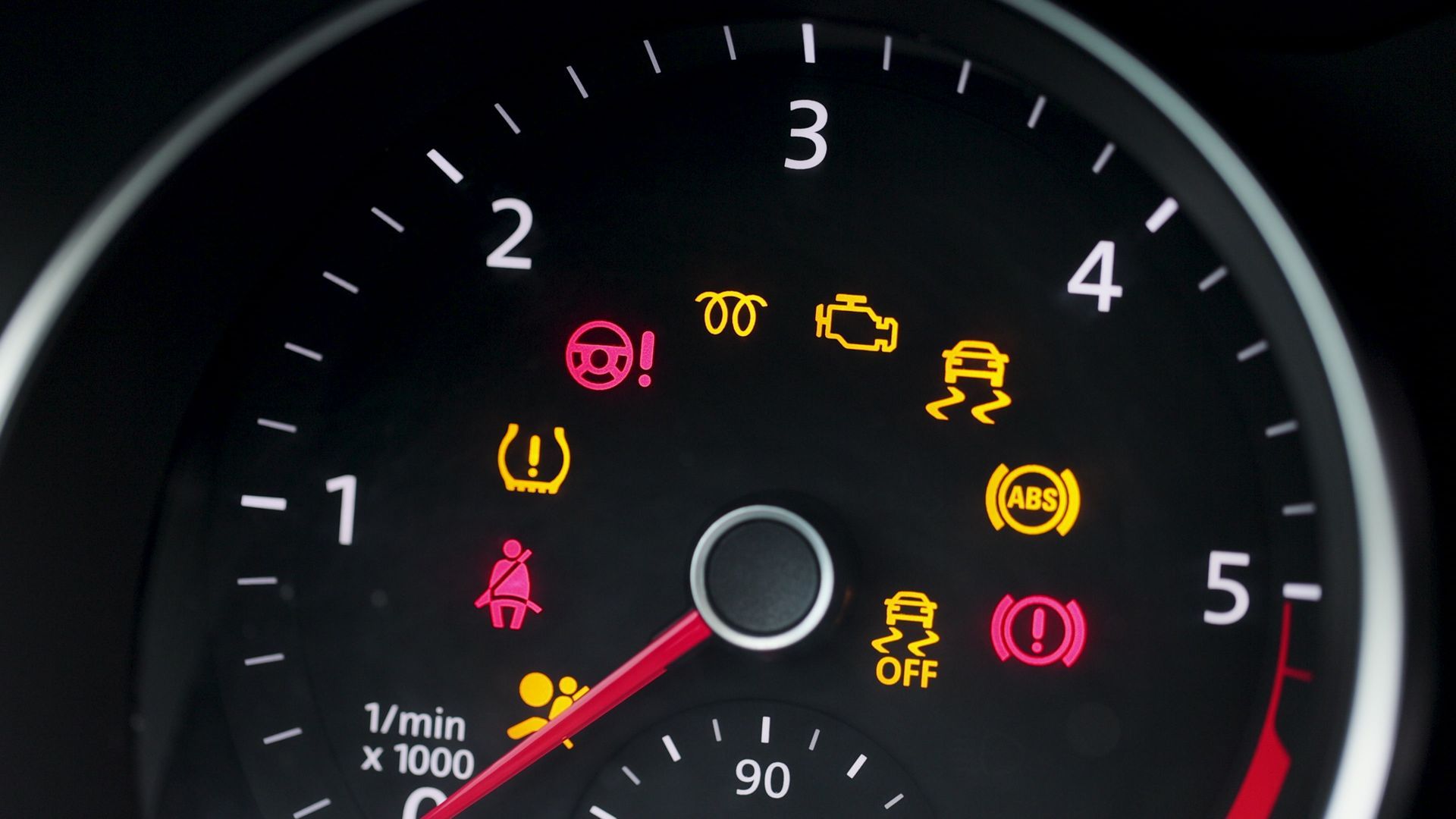
- A flashing check engine light with poor running
- Slower-than-normal engine cranking
- A single click with no engine rotation
The final two symptoms point more strongly toward electrical supply or starter operation than spark plugs. A flashing check engine light and severe misfire call for prompt service because unburned fuel can damage the catalytic converter.
Battery, Starter, and Fuel Problems on Cold Starts
A weak battery supplies less power in cold weather, while thicker cold engine oil increases the effort needed to crank the engine. Poor ground connections, a worn starter, and charging faults also cause slow starting. If the engine turns normally but fails to fire, fuel pressure, ignition timing inputs, and other engine controls become more likely suspects. Is the starter turning the engine slowly before it finally fires?
A failing fuel pump or temperature sensor also creates difficult morning starts. We record battery condition, cranking voltage, starter behavior, and stored faults before blaming the plugs for every cold-start problem. Replacing ignition parts on an engine that barely turns over leaves the original problem untouched.
When Spark Plug Replacement Should Be Scheduled
Follow the engine's specified interval, which varies by plug construction and vehicle design. Many long-life plugs last far longer than basic copper designs, so a universal mileage recommendation is misleading. Review the maintenance record and choose parts that meet the manufacturer's requirements.
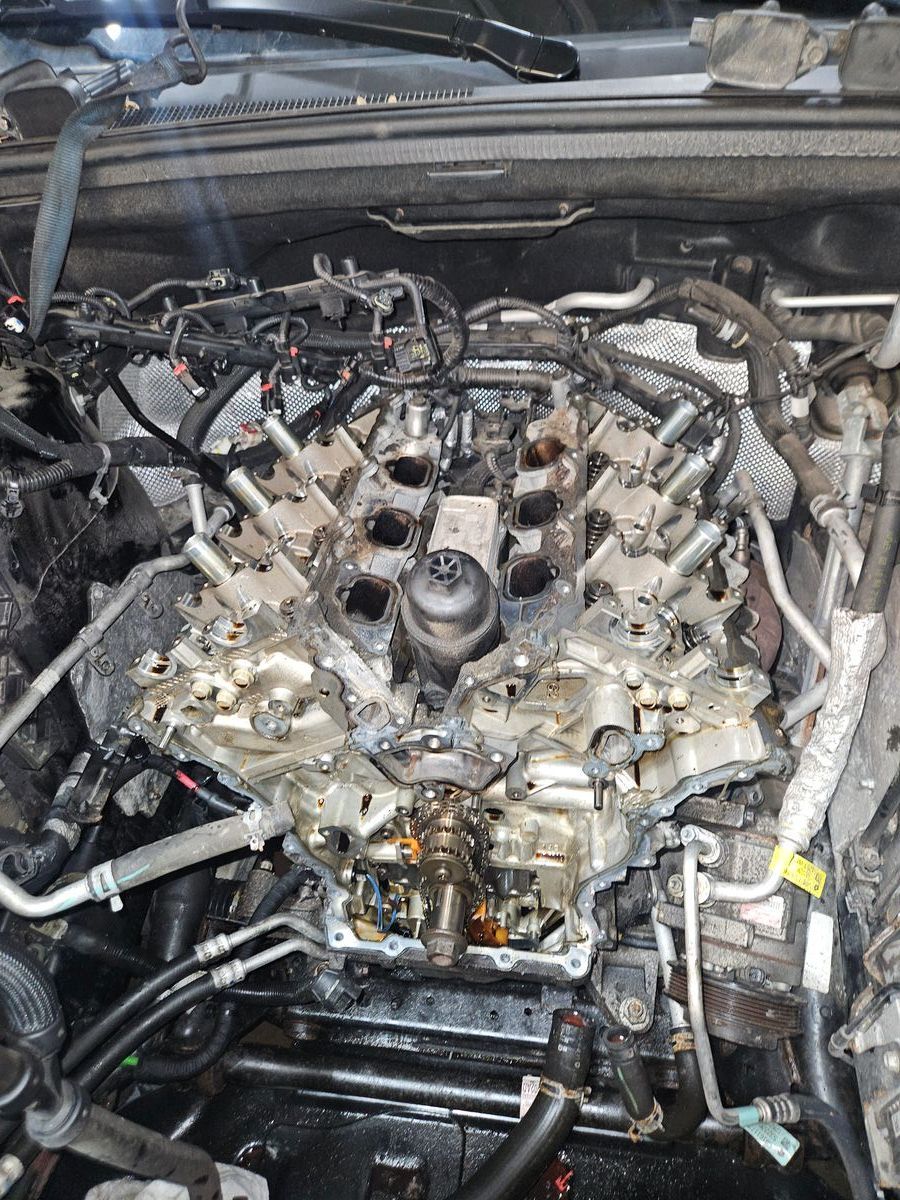
When we remove the plugs, we inspect threads, seals, coil boots, and signs of oil in the plug wells. Some engines have specific installation procedures to prevent thread damage. After replacement, we confirm that the engine starts and runs normally under the same conditions that exposed the fault. A successful service does more than clear a reminder on a maintenance list. Our final check includes the first cold start symptoms, not just a warm engine that idles normally.
Morning Starting and Spark Plug Service in Concord, NH
At Accomplished Auto in Concord, NH, we check spark plugs, ignition components, battery condition, and other starting-related systems when a vehicle struggles during cold mornings. Explain if the engine turns slowly or cranks strongly but takes too long to start.
That one detail often saves time and gets the repair focused on the system that is actually failing.